
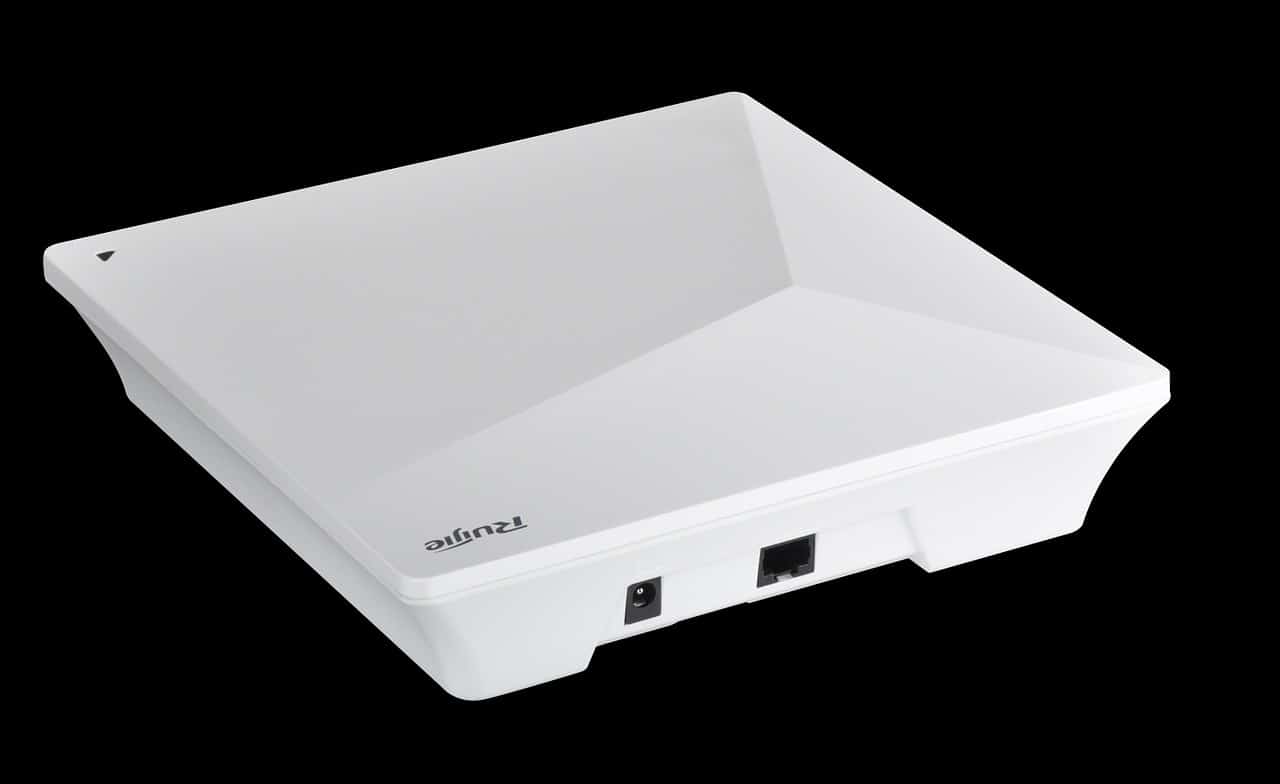
To access the configuration of your modem, access through your administration panel located at this IP address: 10.0.0.1
Contents
10.0.0.1: Known Services
IP address type: Private IP address
10.0.0.1 is the IP address to access into the administration panel of your modem, available for the following routers providers:
- Arris, Aztech, Cisco, Intelbras, I Connect, Smc and Technicolor
These modems have configurated by default the IP address 10.0.0.1 (http://10.0.0.1) to access their configuration panel.
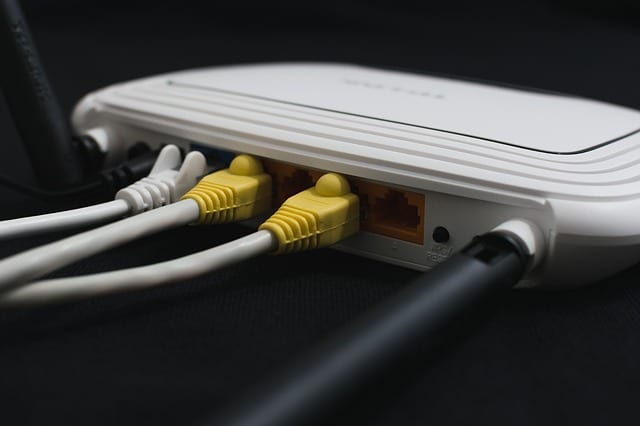
Featured IP addresses
- LOGIN 192.168.1.254
- LOGIN 192.168.0.1
- LOGIN 192.168.10.1
- LOGIN 192.168.100.1
- LOGIN 192.168.1.1
- SPANISH 10.0.0.1
Common mistakes
10.0.0.1: Access to the Configuration Panel
To access the router administration panel at 10.0.0.1, the default username and password could be one of the following configurations:
Default usernames for 10.0.0.1: admin, cusadmin, Cisco, highspeed, user, root.
Default passwords for 10.0.0.1: password, admin, highspeed, Cisco, cusadmin.
Depending on the provider, this information may change and could be some specified by the ISP provider. For example, the username assigned by the ISP could be:
Username: the SSID of the network or the name of your provider, for example TELMEX.
Password: WEP key or WPA2-PSK network key.
10.0.0.1: Default Router Configuration
The default configuration of the router or modem 10.0.0.1 is preconfigured by the manufacturer. These settings can be changed by the user in any moment.
The default configuration of the router includes a default username and password, connection information, firewall configuration and other features according to the manufacturer.
This manufacturer information may be changed by the ISP internet service provider, according to their terms and conditions.
Troubleshooting
I don’t have access to the administration panel
Website not found: Verify that the IP address entered into the browser is 10.0.0.1 (or http://10.0.0.1). Maybe you could enter the IP address like 10.0.0.0.1, 10.0.0.l, 10.0.1, 10.0.l, 10.0..1, 10.0..l, 10.0.0.0, 10.0.0.1. or some other different text, if it is the case, please verify that your IP address is correct (http://10.0.0.1)
Also verify that you have a good connection to your WiFi network and your device is within range of your modem’s signal, may you have to connect via ethernet.
If you still cannot access it, perhaps the problem is that the administration panel is located in another IP address, if so, try to access this IP address: 192.168.1.254. This is because other modem or router manufacturers are assigned a different range of private IP addresses, which are set by the IANA.
If you still don’t know the default IP address, check your modem’s user manual in the Default Gateway section or check using ipconfig (Windows), netstat (MacOS) or ip (Linux).
I cannot acces to the administration panel
To enter to the configuration panel: Ask to your internet provider for the access code for login to the configuration of your modem, may you call to their technical support number or search in their website.
If you don’t have access to your provider’s contact information, try accessing it with the default username and password information. If you still can’t access and your modem is owned by one of the manufacturers described in the Known Services section, try resetting the modem to factory mode.
To reset your modem to factory mode, press the small hole next to your modem with a pin for a few seconds until all the modem lights blink.
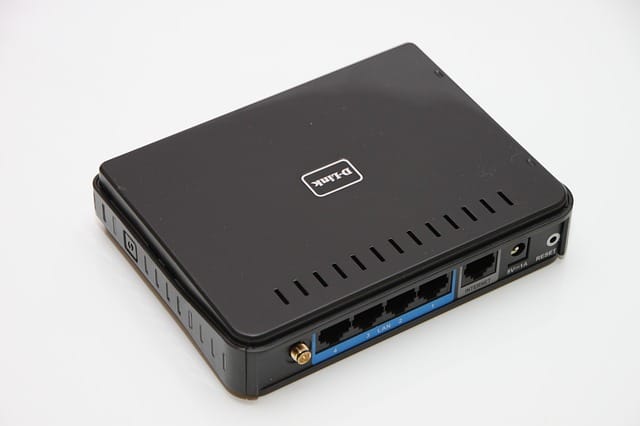
10.0.0.1: Change the modem settings
Once inside the modem configuration, you will be able to change the configuration of your modem, you will be able to change the modem password, assign user controls, new rules for the firewall, detect network intruders, and other tools that vary from according to the manufacturer.
10.0.0.0.1 and other mistakes
Some of the common misspellings when trying to access your modem settings are: 10.0.0.0.1, 10.0.0.1., 10.0.0..1, 10.0.01, 10..0.0.1, 10.0.0., 10.0.0.l., 10.0.0.0.l, 10.0.0.0, 10.0.0.., 10.0.1, 10.0.l, 100.0.0.1, 10.0.0..01, 10.0.0.0.1, 10.0.0.00, 110.0.0.1, 10.0., etc.
If you wrote any of the above addresses, you will not have direct access, always verify that the IP address is: 10.0.0.1.
Advanced Troubleshooting
The IP address 10.0.0.1 is commonly used as the default gateway for many routers and modems, including those from Cisco, Xfinity, and other major manufacturers. As a default gateway, it provides a means for devices within a local network to communicate with external networks, like the internet. However, there can be issues that prevent users from accessing or interacting with this IP address. This article will delve into common problems associated with 10.0.0.1 and offer troubleshooting steps.
1. Unable to Access the Login Page
Problem: When you enter “http://10.0.0.1” into your web browser, it doesn’t load the router’s login page.
Solutions:
- Ensure you’re connected to the network of the router you’re trying to access.
- Try using a different browser or clearing your current browser’s cache and cookies.
- Restart your router and then try accessing the IP again.
2. Incorrect IP Address
Problem: 10.0.0.1 might not be the default gateway for your network.
Solutions:
- Windows: Open the Command Prompt and type
ipconfig. Check the Default Gateway entry. - MacOS: Open Terminal, type
netstat -nr | grep default, and check the gateway address. - Linux: Open the terminal, type
route | grep default, and check the gateway address.
If you see a different IP address listed as the default gateway, use that IP address in your browser instead.
3. Forgotten Username or Password
Problem: You can’t remember the login credentials for 10.0.0.1.
Solutions:
- Try the default credentials; often, these are “admin” for both username and password.
- Check the router’s manual or the manufacturer’s website for default login details.
- If you changed the default credentials and can’t remember them, you might need to perform a factory reset on your router. Note: This will erase your customized settings.
4. Connection Issues
Problem: Your device says it’s connected to the network, but you can’t access 10.0.0.1 or the internet.
Solutions:
- Restart your device, router, and modem.
- Check for physical interruptions – ensure all wires are properly connected.
- Try connecting with a different device to determine if the issue is device-specific.
5. Slow or Intermittent Connection
Problem: You can connect to 10.0.0.1, but the connection is slow or drops frequently.
Solutions:
- Move closer to the router or ensure there are minimal physical obstructions (like walls) between your device and the router.
- Check for electronic interference. Other electronic devices, especially cordless phones or microwaves, can interfere with Wi-Fi signals.
- Change the Wi-Fi channel through the router settings. Other networks nearby on the same channel can cause interference.
Conclusion
Troubleshooting 10.0.0.1 or any other default gateway can be relatively straightforward when you know the common issues to look for. Always remember to take regular backups of your router settings before making any significant changes, so you can revert to a previous state if needed. If problems persist, contacting your service provider or the router’s manufacturer might be the best course of action.
5 thoughts on “10.0.0.1 – Access to your Router Settings”